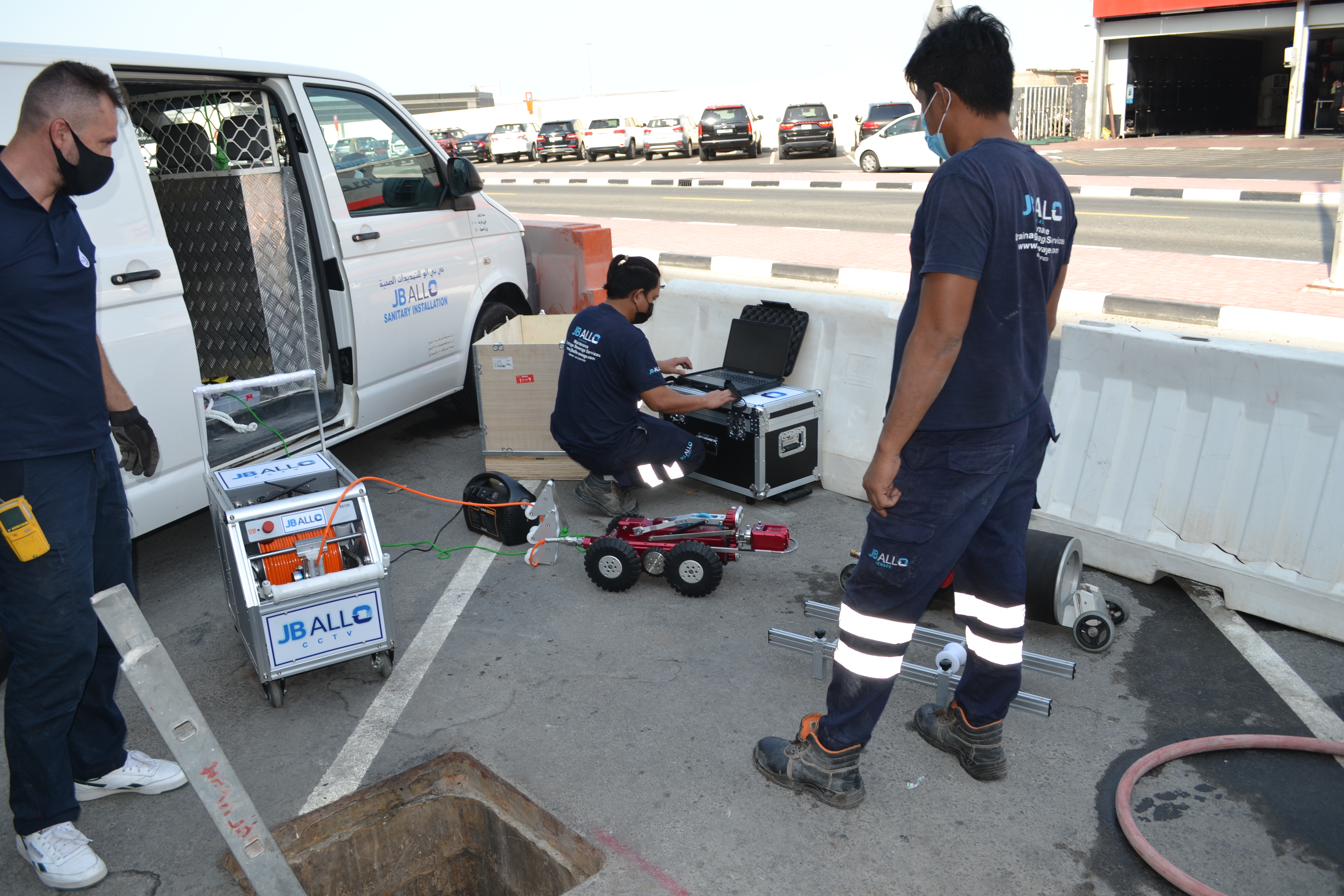
You might think storm drains and storm sewers are just two ways of describing the same dirty, wet, annoying thing that clogs up after a monsoon, right? Well not exactly. They sound similar, and honestly, most of us use the terms interchangeably at dinner tables and WhatsApp groups, but when you’re dealing with real infrastructure, proper maintenance crews, or saying yes to a quoted service, knowing the difference matters. So, let’s have a friendly chat about storm drain cleaning and storm sewer cleaning, two essential but very distinct tasks in keeping urban drainage systems healthy. Let’s start with the basics.
What Are Storm Drains and Storm Sewers Anyway?
The roadside grates you see after heavy rain become storm drains for street systems. The system captures rainwater to prevent street flooding which creates temporary lakes. The water moves through underground pipes which connect to the larger storm drainage system that extends throughout the city.
The mix-up occurs at this point because street level storm drains serve as visible entry points for storm water. The system consists of storm sewers which function as underground channels for moving collected water toward treatment facilities and basins.
The storm drain represents the street system which you can view in front of you whereas the storm sewer system directs water to its next destination through underground pipes.
Why Cleaning Matters
Whether it’s a tiny local gutter or a big trunk line, water only flows when it has a clear path. In cities, leaves, trash, soil, and oils accumulate fast, especially when people dump coffee cups like they’re confetti. If the debris sticks around, it clogs up the system. That’s where professional cleaning, like storm sewer cleaning and storm drain cleaning, comes in.
But notice, the words “drain” and “sewer” aren’t interchangeable here because they refer to different parts of the system. Let’s break it down.
Storm Drain Cleaning: Close-Up Work
The storm drain cleaning work requires staff to open grates for debris removal and pipe clearing work, which extends to underground pipe systems. The maintenance crew you saw using strange tools to remove trash from a grate while they worked next to a curb during the rain performs this task. Most cleaning work involves local areas that require regular maintenance. It’s the kind of job you do when:
- Leaves and trash are blocking the obvious catch basins
- Water is pooling on a surface that shouldn’t be pooling
- You can see the blockages from street level
Of course, street crews aren’t just scooping stuff out by hand, advanced techniques like high pressure storm water cleaning in Dubai and other urban centers involve powered jetting, vacuum systems, and specialized equipment that blast and lift heavy materials away from the drain entry and nearby pipe sections.
A proper storm drain maintenance procedure removes visible dirt but also protects the storm drainage system from blockages which would cause major disruptions. The drainage network functions like a mouth that needs short, regular maintenance to sustain its entire system.
Storm Sewer Cleaning: Deeper, Bigger, and More Complex
Storm sewers function as underground drainage systems that handle precipitation runoff. The system contains multiple underground pipes that run through extended underground corridors while maintaining a deep underground position. The cleaning process requires more than leaf removal from the grate because workers must access concealed pipes to remove sediment and sludge and root intrusions and heavy debris that have been transported from the street.
Since storm sewers handle miles of pipe and carry water from entire neighborhoods, the cleaning process is more intense:
- Technicians use powerful water jetting trucks to scour the insides
- High-capacity vacuum trucks remove sludge and blockages
- In many cases, CCTV inspections help crews see what’s going on before, during, and after the work
This is where phrases like storm sewer cleaning (which is the correct term for this deeper clean) and high pressure storm water cleaning in Dubai get used in real proposals and quotes. Sure, storm drain cleaning is important, but if a storm sewer line is blocked, water backflows can happen far from where you think the problem is.
Funny thing: sometimes people will tell you that cleaning a storm sewer is “just a bigger drain clean.” Technically, that’s not wrong, but it’s kind of like saying washing your car covers the engine, too. It doesn’t.
Practical Differences You Should Know
| Feature | Storm Drain Cleaning | Storm Sewer Cleaning |
| Part of the system | Shallow, street-level drains | Deep, underground sewer lines |
| Equipment | Hand tools, small jetters | Large jetting/vacuum trucks |
| Purpose | Clearing entry points and surface pipes | Clearing entire underground conveyance lines |
| Frequency | Frequent, routine | Scheduled or as-needed, less frequent |
| Accessibility | Easy | Requires planning, permits at times |
Here’s a quick everyday analogy: storm drains are like the seats in your living room, easy to reach and tidy up daily. Storm sewers are like the attic, out of sight and only cleaned thoroughly when something is seriously wrong or on a maintenance schedule.
Choosing a Service Provider: A Quick Checklist
Whether you’re managing a commercial property, facility, or municipal zone, when you call in professionals for:
- Stormwater drain cleaning, ensure they check both the visible grates and the short pipe sections behind them.
- Storm sewer cleaning, confirm they have proper jetting trucks, CCTV inspection capabilities, and know how to handle larger lines.
Bonus if they can do both and tailor the service based on your needs rather than giving a boilerplate “drain clean” quote.
Why Choose JB Allo Sewage for Your Storm Drain and Sewer Needs
At JB Allo Sewage, we’re more than just a service provider; we’re a hands-on team that understands how Dubai’s storm drainage system really behaves after heavy rains and daily buildup. With 25+ years of global experience and over 3,500 completed projects, we handle everything from routine storm water drain cleaning to large-scale storm sewer cleaning with practical expertise. The high-pressure storm water cleaning system in our current fleet enables us to remove tough dirt and sludge and concealed blockages from our work in Dubai. Our team uses CCTV inspections to detect problems that need fixing before they become expensive, unexpected costs. Our customers, from villas to commercial facilities, depend on us for fast service, honest cost estimates and dependable work which ensures their drainage systems operate smoothly and safely without any problems.
Frequently Asked Questions
1: How often should storm drains be cleaned?
The minimum requirement for storm drain cleaning is two times per year, but additional cleanings are necessary for locations that experience heavy tree coverage, increased debris and ongoing construction work and previous flooding events.
2: What causes storm sewers to get blocked?
Internal pipes experience gradual flow restriction because sediment, plastic waste, leaves, sand, oil residue and tree roots continuously build up inside the pipes over time.
3: Is there a distinction between storm drain cleaning and standard drain cleaning operations?
The purpose of storm drain cleaning operations is to remove rainwater from entry points, whereas standard drain systems are designed to transport wastewater from building interiors, which include bathrooms and kitchens and all plumbing systems.
4: Do blocked storm sewers create flood hazards in areas beyond their obstruction points?
A single blockage inside a storm sewer system causes flooding to occur across multiple streets and blocks because of the system’s interconnected design.
5: Which tools do workers use to clean storm sewer systems?
The team uses high-pressure jetting machines, vacuum trucks, CCTV inspection cameras and specialized nozzles to eliminate sludge and debris and hidden obstructions from the area.
6: Why is preventive cleaning better than emergency cleaning?
Preventive cleaning enables storm drainage systems to sustain their operational capacity throughout the entire year, which helps prevent sudden flooding events, expensive repairs, traffic disruptions and property damage.