
The function of the sewage lift station is simple, yet vital. Its function is to transport sewage from a low elevation to a high elevation so it can continue moving down the sewer network. Regardless of whether it’s located in residential premises, a commercial structure, or industrial premises, this mechanism performs its function unobtrusively every day. This is why people usually don’t recognize any problem until it fails to fulfill its purpose.
However, the problem is that the little warning signals show themselves a very long way out before failure occurs. It could cost you a sewage backup, bad smells, pricey repair jobs, and potential damage to your property. It pays to know what signs to look for. Catching this stuff early is honestly the only way to avoid a completely ridiculous sewage lift station cost in Dubai by swapping out a cheap part before the whole network goes under.
What Does the Lift Station Actually Do?
The sewage lift station stores the wastewater in the storage tank and pushes it up to an elevated point where gravity can take effect. This device works best on properties that fall below the sewer line or in areas where drainage cannot occur naturally.
These devices comprise:
- Collection basin
- Pumps
- Float switches
- Control panel
- Alarms
- Discharge pipes
The most important component of the sewage lift station is the septic lift station pump that pushes the wastewater along the pipeline. In case of its failure, the whole drainage system will become overwhelmed in no time.
Common Signs Your Lift Station Needs Immediate Attention
1. Unpleasant Sewage Odors
Another early indicator of an upcoming drain problem is the presence of strong sewage odors around the lift station. Although lift stations always store sewage water, it is likely that the presence of strong odors will mean the sewage is remaining there for too long.
Either the septic lift station pump is not working properly, or some kind of obstruction is stopping wastewater from passing through.
It is important to deal with these odors before the problem becomes worse.
2. Slow Drains Throughout the Property
When the drains on sinks, toilets, or floor drains have started to drain more slowly than normal, it is possible that there is a problem with the pumping sewage lift station. Many people think there is a blockage in the pipe when it is, in fact, something else.
As with all plumbing issues, the earlier you get it fixed, the better.
3. Repeated Alarms
The majority of today’s lift stations have high-water alarms installed to alert on rising levels of wastewater in the system.
Should you hear repeated alarms, do not reset them, as it is an indication of problems in wastewater pumping by the lift station.
Repeating alarms most commonly point to problems with the pump itself, electricity, or a malfunctioning float switch.
4. Unusual Pumps Noise
Typically, pumps installed at lift stations emit certain noises while running. Any signs of grinding, rattling, screeching, or vibrating should be taken as an indication of wearing parts or intrusion of foreign particles into the pump.
The damage to the septic lift station pump should be detected as soon as possible.
5. The Pump Just Never Shuts Off
A healthy pump should only run in short bursts when the basin fills up, and then click off. If it’s running 24/7 without a break, it is desperately struggling to empty the well. Overworking a home sewage lift station like this burns out the electric motor in no time and drives up your replacement expenses.
6. Pump Continuously Runs
Lift station pumps must not always run continuously. In case your pump hardly stops running, chances are that it is unable to clear the collection tank.
Reasons for continuous running include:
- Faulty float switch
- Worn-out pump
- Blockages in pipes
- Electrical problems
Overuse of the home sewage lift station will greatly decrease its service life and make maintenance expensive.
7. Increased Power Bills
Sometimes, inefficient pumps use more energy than usual. Continuous running pumps or pumps that are cycled too much have increased energy requirements.
In case of an unusual rise in power bills, it would be a good idea to inspect your pumping sewage lift station.
How to Keep the System Alive
Addressing these problems early increases the longevity of your machinery and prevents damage to your property. Regular maintenance and upkeep, including regularly inspecting, scrubbing off greasy deposits that form inside the wet well, and checking float switches, ensures that a normal home sewage lift station operates without any problem.
Why Choose JB Allo Sewage for Lift Station Services
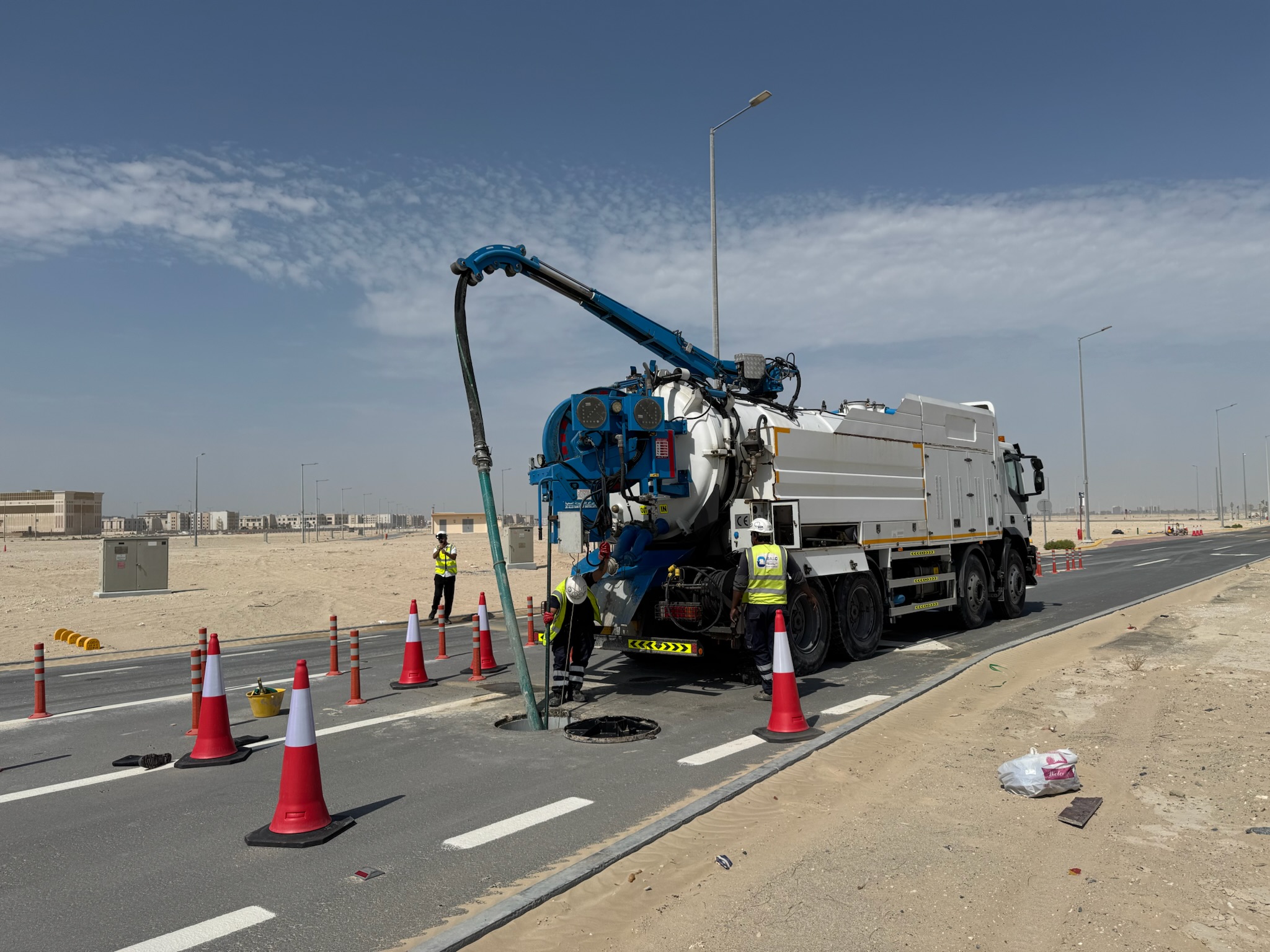
At JB Allo Sewage, we understand exactly how stress-inducing it is to have an ineffective lift station. Our qualified workers arrive at the job site with the state-of-the-art equipment for high-pressure jetting, vacuum trucks, and CCTV cameras in order to detect the problems with your pumps, no guesswork required.
We provide full sewer line maintenance services, emergency unblocking, septic tank emptying, grease traps cleaning, and premium-quality high-pressure pipe cleaning in Dubai. We work to ensure optimal functioning of your drainage system and, what is more important, prevent its breakdown entirely.
FAQs
1. How do I recognize that my sewage lift station is in need of repair?
If you are noticing any bad smells, slow drains, odd sounds from the pump, repetitive alarm sounds, or even sewage back-ups, then you definitely need to consider servicing your station immediately.
2. How often should a sewage lift station be serviced?
A number of sewage lift stations should be inspected and serviced once every year to avoid unexpected damage.
3. Could the sewage lift station break down all of a sudden?
No, it would have some symptoms before failing, such as noise, slow drainage, and alarms.
4. What causes the sewage lift station to break down?
Several factors cause the breakdown of the sewage lift station, such as clogging, electrical problems, malfunctioning parts, and float switch failure, among others.
5. Is maintenance of a sewage lift station worth the cost?
Yes, because it can help you prevent expensive and unnecessary repairs, among other advantages.