
You know that awkward moment when water starts to collect around your feet in the shower, or when the kitchen sink just sits there full, as if to make a point, and won’t drain? That’s when you realize, perhaps a bit too late, that sewage systems are not something you want to ignore.
Sewage-related obstructions are not minor inconveniences. The problems lead to business closures because they disturb tenants and irritate customers while putting their health at risk. The city of Dubai needs its drainage system to be perfect because residential towers, commercial kitchens, warehouses and industrial sites operate continuously throughout the day.
So let’s talk honestly about why blockages happen, and how professional tanker cleaning fixes them, especially when it comes to stormwater drain cleaning and handling serious storm sewer cleaning requirements.
Why Sewage Blockages Happen
Most people blame toilet paper, or grease, and yes, those are part of the story. But the truth? Blockages are usually layered problems. Sewage systems carry wastewater, solids, runoff, sand, debris, sometimes all at once. It’s a complicated network, and it doesn’t take much for things to start slowing down.
Here are the usual suspects.
1. Grease, Oils, and Fats That Quietly Harden
This is the classic “We didn’t flush anything strange” situation.
Restaurants, cafeterias, and even office pantries release grease daily. When hot grease enters pipes, it flows easily. But once it cools? It hardens. It sticks to pipe walls. And slowly, almost invisibly, it narrows the passage. Weeks pass. Months pass. Flow slows. Then one day, blockage.
At that point, basic plunging or chemical cleaners won’t fix it. Professional storm sewer cleaning using high-pressure systems becomes necessary to properly break down and remove hardened buildup.
2. Sand, Dirt, and Debris
Let’s be realistic, in Dubai, sand is everywhere. It travels with wind, construction dust, and storm runoff. Over time, that sediment washes into drains and pipelines.
Inside the pipes, it settles, compacts, hardens, and once that layer forms, it’s stubborn.
This is why routine stormwater drain cleaning is not optional for industrial properties and large developments. Sand accumulation deep inside the network can quietly reduce capacity long before anyone notices a surface issue.
3. Tree Roots Invading Underground Pipes
This one feels almost unfair. Tiny roots from nearby landscaping seek moisture. If there is even the smallest crack in a sewer pipe, roots will find it. They will enter, grow, and spread.
Eventually, they form a tangled mesh that traps waste and debris. The pipe may still “work,” technically, until it doesn’t.
Normal flushing won’t remove established roots. Specialized jetting combined with suction is needed to cut and extract the obstruction completely.
4. Structural Damage and Pipe Misalignment
Pipes don’t last forever. Ground movement, heavy construction nearby, vibration, and simple aging can cause cracks or shifts in alignment.
Imagine placing a speed bump inside your drainage line. Waste slows. Pressure builds. Debris catches. Blockages form more easily in damaged sections.
Storm drainage system maintenance experts from professional teams, who have experience, do more than cleaning services, because they monitor system usage patterns, discover system vulnerabilities, and assist property managers with their maintenance schedule for upcoming repairs.
5. Non-Flushable Items
The materials include Wet wipes, sanitary products, cotton buds, paper towels and packaging, which do not decompose at their expected rate despite their flushable designation. The materials create dense clumps which capture other waste materials.
The blockage reaches its most solid state because the materials combine with grease and sediment. The storm sewer cleaning process requires professional extraction to completely eliminate the massive waste that has accumulated.
How Tanker Cleaning Actually Solves the Problem
Here’s the reassuring part. Most blockage causes, even the ugly ones, have a reliable solution.
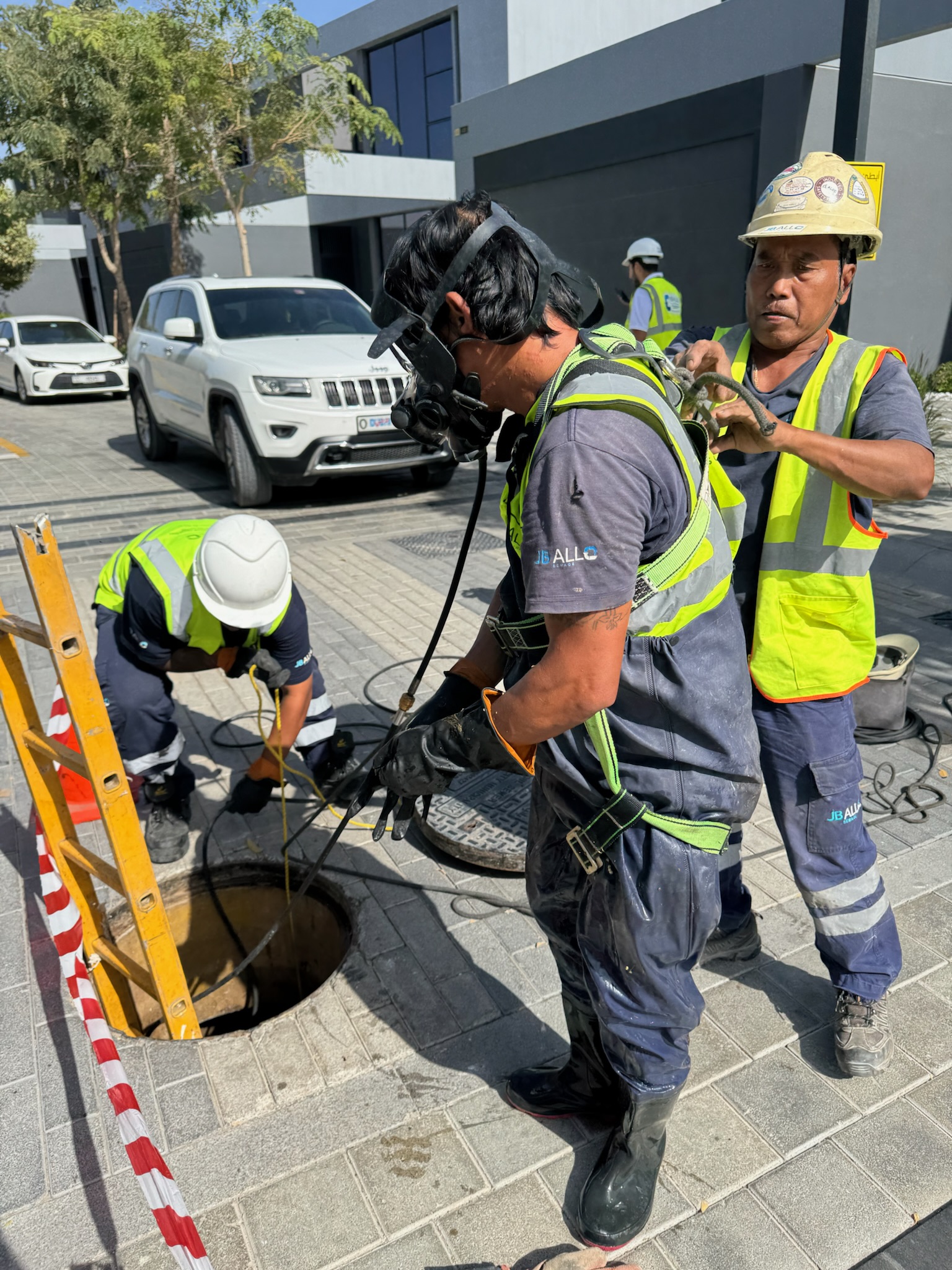
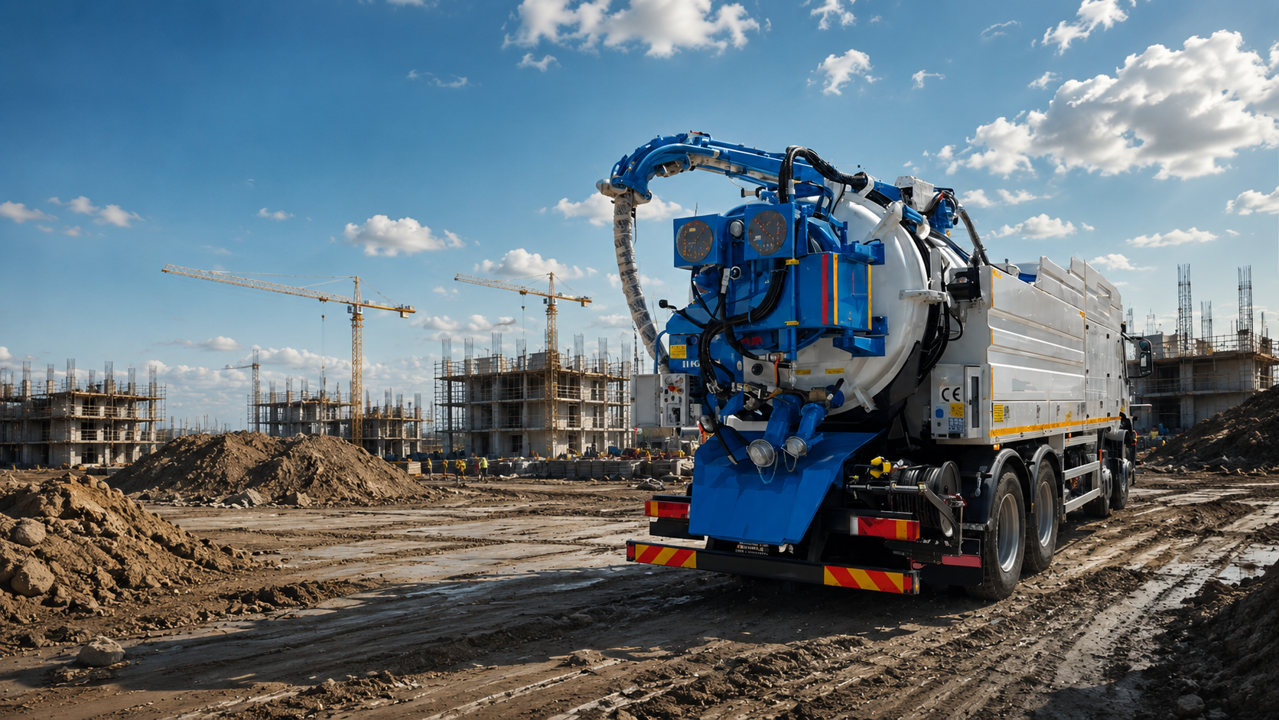
Professional tanker cleaning isn’t just spraying water around and hoping for the best. It’s a structured process using high-pressure jetting and industrial suction working together.
1. High-Pressure Jetting Breaks Everything Apart
Water is forced through specialized nozzles at extremely high pressure. The force is strong enough to break hardened grease, compacted sand, root fragments, and dense sludge.
For properties requiring serious stormwater drain cleaning, this jetting process restores pipe diameter by stripping buildup off the walls entirely, not just punching a temporary hole through it.
2. Vacuum Suction Removes the Waste Completely
Breaking debris loose is only step one. The tanker’s vacuum system then extracts the dislodged material. Everything, such as sludge, sediment, roots, wipes, is removed and safely stored inside the tanker.
That’s important. Because pushing debris further down the line simply relocates the problem. Effective storm sewer cleaning ensures the waste leaves the system entirely.
3. Inspection and Assessment
Experienced teams don’t clean blindly. After jetting and suction, they assess the flow. They watch for pressure changes. They identify unusual resistance points.
In large commercial or municipal storm drainage system networks, this kind of on-site awareness helps detect underlying structural concerns early.
4. Protection Against Flooding
The storm drains remain unrecognized until a heavy rainfall event occurs. The blocked runoff systems cause water to accumulate rapidly in low-lying regions. The city of Dubai uses its high-pressure stormwater cleaning system to remove sediment from drainage systems, which prevents drainage failures during sudden rainfall events. The implementation of preventive maintenance protects properties from costly damage caused by flooding.
Why JB Allo Sewage Excels at Clearing Blockages and Maintaining Drainage
At JB Allo Sewage, we’ve seen just about every kind of blockage you can imagine, and a few you probably wouldn’t want to. Drainage problems rarely give warnings. One day, everything flows fine. The next, it doesn’t.
For over 25 years across Dubai and the UAE, we’ve specialized in professional storm sewer cleaning, thorough stormwater drain cleaning, and advanced high pressure stormwater cleaning in Dubai for commercial, residential, and municipal clients.
Our tanker units combine powerful jetting and vacuum systems designed to handle grease buildup, compacted sand, invasive roots, and debris inside complex storm drainage system networks. We don’t just clear surface symptoms; we identify root causes and restore proper flow with minimal disruption.
We understand local infrastructure, regulations, and environmental standards. When clients call us, they’re not just asking for cleaning. They’re asking for reliability, speed, and results that actually last. And that’s exactly what we deliver.
FAQs
1. How often should storm drains actually be cleaned?
Honestly, at least once or twice a year, especially before rainy seasons, to prevent sediment buildup and surprise flooding issues.
2. What are the early warning signs of a sewage blockage?
Slow drainage, gurgling sounds, unpleasant smells, and water pooling outside usually signal developing blockages inside your drainage lines.
3. Can high-pressure cleaning damage old pipes?
When handled by trained professionals, pressure levels are controlled carefully, making the process safe even for aging infrastructure.
4. Is stormwater drain cleaning only needed after heavy rain?
Not really, preventive cleaning before rainfall is smarter, because debris buildup causes most flooding problems.
5. How long does professional storm sewer cleaning take?
It depends on blockage severity, but most commercial jobs are completed within a few focused hours on-site.
6. Does tanker cleaning completely remove sand and sludge?
Yes, proper jetting breaks buildup apart, and vacuum suction removes debris entirely from the drainage system.