
Let’s be honest, no one wants to deal with a sewer backup. It’s messy, smells awful, and always seems to happen when you least expect it. But sometimes you just have to roll up your sleeves and deal with it, at least for the moment, until professionals arrive to take care of it. If you know how to plug sewer drain safely, a small issue could be avoided from becoming an even bigger issue.
In this blog, we will discuss the appropriate method to plug a drain, what tools you would need, and a few tips about things people always forget about. If you live in the UAE, we will also review where you can find help for sewer drain plugs in Dubai.
Step-by-Step Guide to Plugging a Sewer Drain
Step 1: Relax and Try to Figure Out the Situation
Just try to have quick glances all around, and don’t panic. After all, it might not be that bad after all. Locate where the water or sewage source is. If it comes through from the basement or parking area, then it might have come from a backup of the main line, in which case, using a sewer drain plug from that basement in Dubai or somewhere nearby will prevent future backflow. Follow the procedure below:
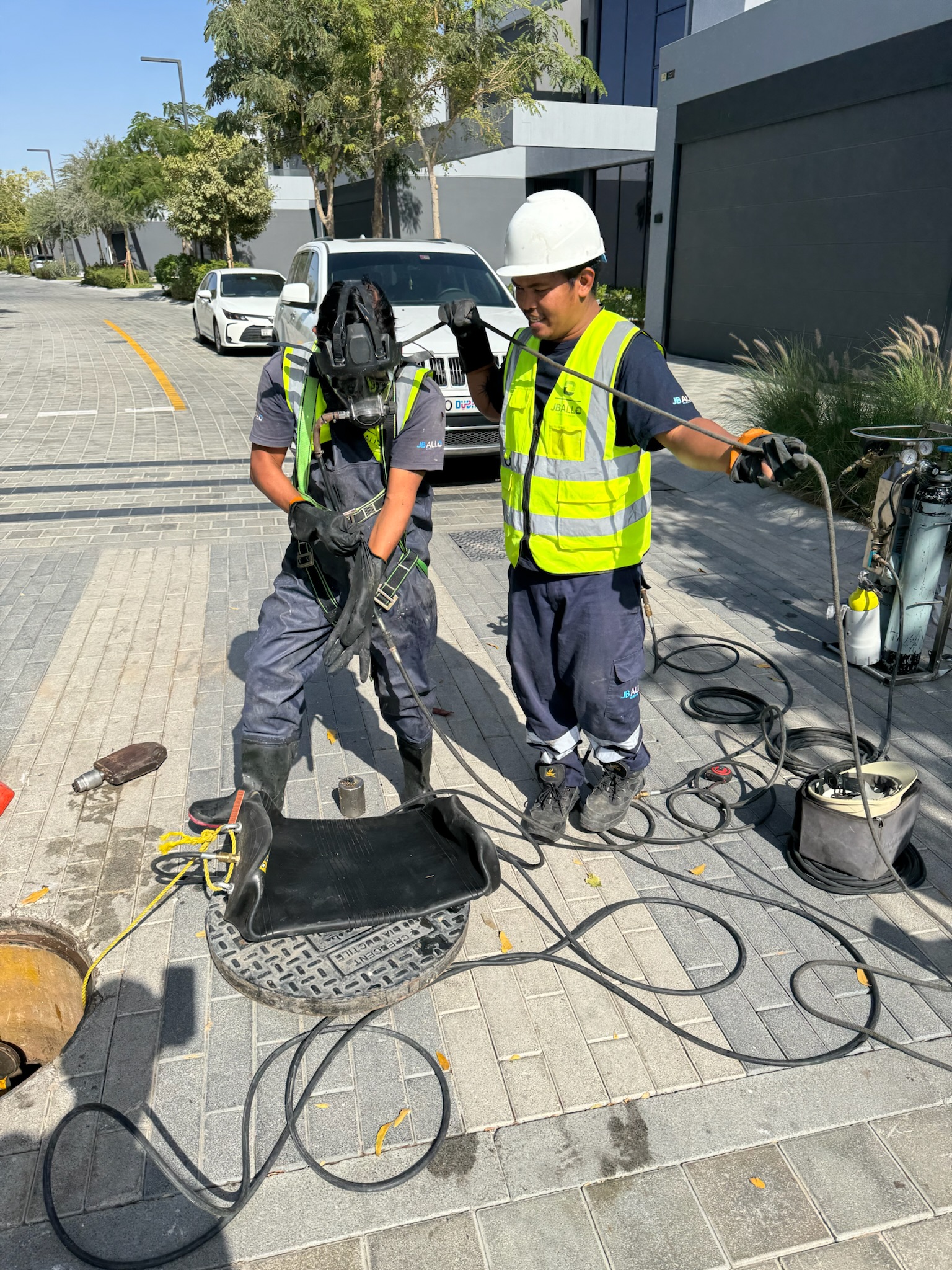
- Wear gloves, boots, and goggles. Protect Yourself!
- Shut off the electric power to any lines near the water. Ventilate the area because sewer gas is nauseating.
- When the smell gets unbearable or water starts rising rapidly, calling for service is a wise thing to do.
Step 2: Gather Your Tools
While plugging a drain isn’t rocket science, the right equipment is important. You will need:
- Sewer line plug, mechanical or inflatable (right-sized)
- Wrenches or screwdrivers
- A pump (for inflatable plugs)
- A bucket, rags, and disinfectant
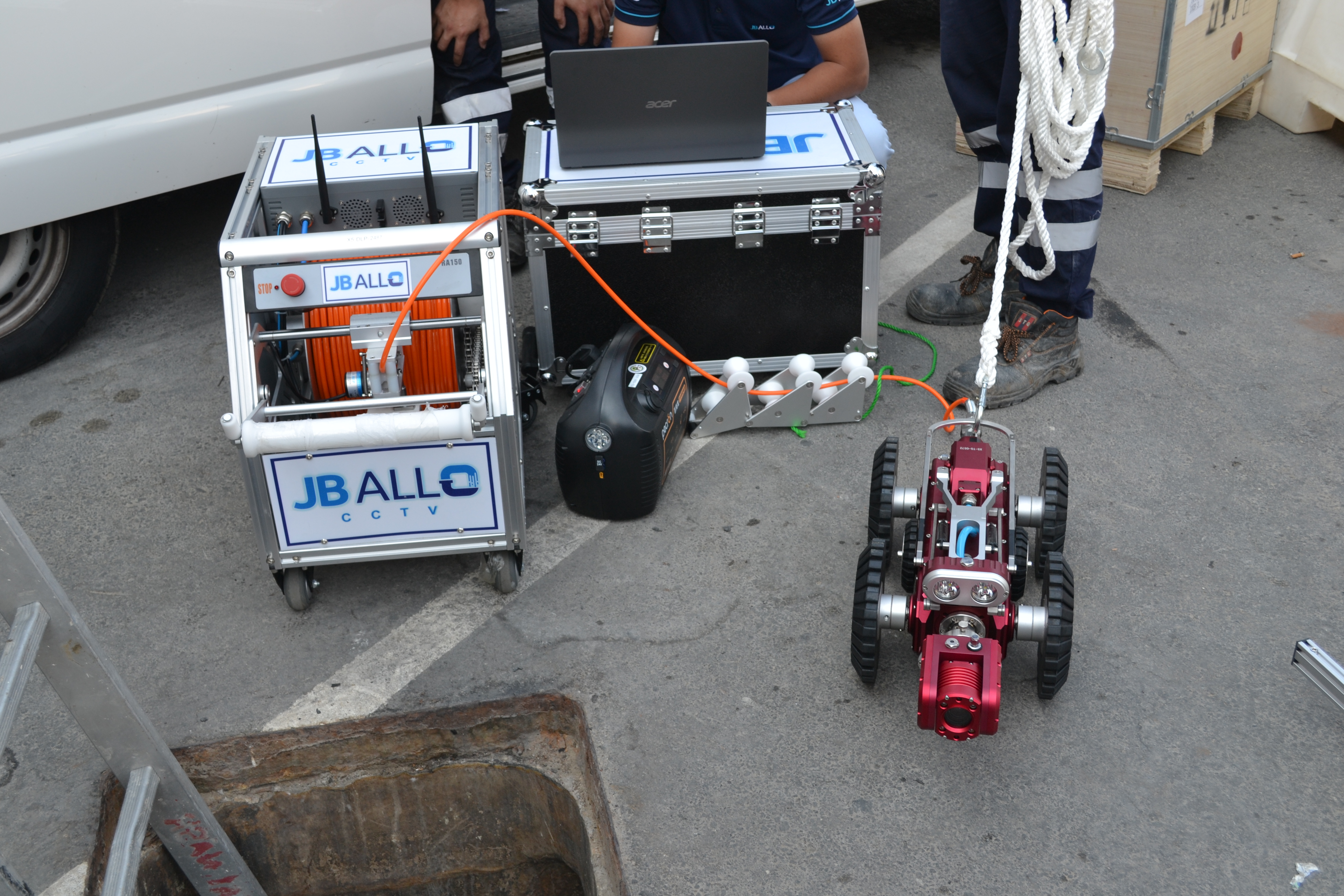
- Optionally: a small drain camera.
Most people don’t bother with the prep, but it’s what saves time and stress later. Nothing worse than making a huge mess and realizing halfway that your plug doesn’t fit or the pump’s missing.
Step 3: Get Access Point
Follow the clean-out or drain that connects to your sewer line directly. It’s most often the lowest spot, a floor drain down in the basement or an outdoor manhole.
After doing that:
- Clear any visible debris/sludge.
- Measure the diameter of the pipe for a proper fit.
- Don’t force a plug into a hole because that simply invites trouble.
If you’re not sure what size the plug should be, get in touch with a local pro who knows sewer drain plugs in Dubai. They’ll know exactly what works for your type of line.
Step 4: Clean out
Make the plug fit as clean as possible into the opening. You do not have to scrub it as though you are washing the dishes; just ensure that the towel doesn’t hold any dense muck or grease to keep from being sealed tight.
Don’t use strong chemical cleaners. They might seem like a quick fix, but they can react with the plug’s rubber surface. A bit of warm water and a rag usually does the trick.
Step 5: Properly Put the Plug Inside
Well, here goes the most important aspect of the affair, really sticking that plug in place. You’ve got two broad alternatives here:
- Inflatable plugs: Made of tough rubber and blown with air until the plug seals the pipe closely.
- Mechanical plugs: Fixed in place with a screw or wing nut to develop a firm seal via pressure.
Here’s how to do it properly without overly doing it:
- Insert the plug very gently into the drain hole that is deflated or loosened.
- Attach the hand pump to the inflatable ones and pump through it until tension is felt-the tension should not feel as though it is rock solid.
- For the mechanical type, just twist until it feels firm but definitely not overdone.
- Make it a point to check that the plug is flanked equally all around the pipe.
And one more point: if you are installing a basement sewer drain plug in Dubai, first check if the plug has the required rating for pressure. The backflows from the city can be very strong, and the wrong type of plug may blow out or leak when you least expect it.
Step 6: Testing the Plug
Now that we have installed it, it’s time for a test. Pour a small stream of water down the line and check for leaks. If the water stays and there is no seepage, you are clear. If leaks or movement occur, let out the water (or loosen it), readjust, and check again; that is a red flag because over-inflation is equally as damaging as it is good, just like taking a balloon too far.
Step 7: Get It Done
Once your plug is sitting pretty and holding up, you’re ready for the main task. Whether you’re clearing debris, doing a camera inspection, or just blocking sewage flow while working on the main line, this is where the plug earns its keep.
Just keep everything steady and contained while you handle the core issue. And hey, if the job looks too big (like serious repairs or multiple line checks), don’t hesitate to call in a professional team. In Dubai, there are experts who handle inspections, jetting, and plugging all in one go; it saves time, and honestly, a lot of headaches.
Step 8: Pull It and Clean Up
When done, do not just yank out the plug. Slowly let off pressure or unscrew, and be prepared for a little gush of water. When removed:
- Make sure water is draining freely again.
- Disinfect the plug, tools, and area.
- Dispose of any used rags or gloves.
- Never reuse a dirty plug unless cleaned. Sewage bacteria may survive for quite a long time.
Extra Tips You’ll Thank Yourself For Later
- Always wear gloves, boots, and eye protection, no exceptions.
- Label plugged areas so no one accidentally opens them.
- Keep kids and pets far away while working.
- Never use random household items as makeshift plugs.
- If your plug keeps slipping, it might be too small to get. the next size up.
JB Allo Sewage: Professional Help You Can Rely On
At JB Allo Sewage, we understand completely that sewer issues are stressful, gross, and urgent. That’s why our team is available 24/7 to handle all things drainage, from sewer drain plugs in Dubai to high-pressure jetting and CCTV inspections. We’ve been serving Dubai since 2009, bringing European expertise to everything from basement sewer drain plug in Dubai installations to full lift-station cleaning.
We can handle residential, commercial, and industrial projects safely, fast, and in a professional way. Our qualified service technicians come with all the latest tools and diagnostic gadgets to try and stop problems before they turn into those really expensive repairs.
If your drain is giving you problems and you would rather not deal with it, get in touch with JB Allo Sewage. We will take over from there and clean things up in a timely and safe manner with the least amount of disruption to your home. Your home deserves clean drains and peace of mind.
FAQs
1. How do I know whether I need to plug a sewer drain?
If you notice foul odor, gurgling sounds, or water backing up in the basement, then you probably do need to plug.
2. Can I install a sewer line plug myself?
Small jobs are usually something you can do yourself. For significant backflow or mainline issues, it is best to leave maintenance to the professionals.
3. On average, how long do sewer drain plugs last in Dubai?
If high-quality plugs are well-maintained and not subject to heavy pressure, they can last for years.
4. Is the basement sewer drain plug safe for all types of pipes in Dubai?
Usually, they are safe for PVC and cast iron pipes, but it is best to check first for compatibility and pressure ratings.