
A blocked sewer pipe can be more complicated than it looks from the outside. Grease, sludge, sediment, and various kinds of dirt tend to cling to the walls of the pipe, reducing the amount of space available for wastewater to flow through the pipe. While a plunger could help you deal with a blockage for the time being, it cannot really remove what is blocking your pipe.
Here comes the importance of high-pressure jetting in Dubai. High-pressure jetting won’t just push the blockage deeper into the pipe; it pushes pressurized water into the pipe to break down stubborn buildup and wash it away.
What Makes Tough Pipe Blockages Difficult to Remove?
Some blockages are soft and greasy, while others harden over time as they sit in the pipes. Tree roots may penetrate joints and cracks, trapping other waste materials in the process. Such blockages cannot be cleaned using the standard drain cleaning techniques.
The high-pressure water jetting technique addresses the blockage from the interior of the pipe. The pressure of the water, hose, and nozzle is chosen based on the diameter and nature of the buildup in the pipe.
How Does a Water Pressure Sewer Cleaner Remove Tough Pipe Blockages?
1. Breaks Apart Grease and Oil Deposits
Grease may adhere to the interior of drainage pipes and gradually thicken. Such build-up can be seen in kitchen pipes and even in commercial drains where grease and oil are frequently deposited into the drainage system.
The water pressure sewer cleaner employs powerful water streams to remove this substance from the interior of the drainage pipes. Upon removal, the grease may flow down the pipes rather than blocking them.
2. Clears Sludge and Sediment
Sludge, sand, mud, and sediment accumulate in pipes during low water flow. These elements create layers that take up some part of the inner pipe capacity.
Using water under pressure agitates this sediment and washes it out of the pipe. In case of heavier deposits, the equipment used for washing can be adjusted based on the state of the pipe.
3. Removes Hardened Deposits
Certain pipe deposits get incredibly tough after remaining undisturbed inside a drainage network for long periods. Standard plungers or basic plumbing snakes simply bounce off them.
A high-pressure drain pipe cleaner relies on specialized nozzle heads that direct water right against those stubborn layers. The impact force breaks the crust apart, restoring the clean internal pipe surface.
4. Cuts Through Tree Root Intrusion
Roots can gain entry into sewer lines due to cracks, broken joints, and gaps. They will continue to grow and will collect grease, paper, and other foreign materials in the line.
Using the correct nozzle, a water jet can easily penetrate and clear the root clog from the line. But if the pipe has some damage, more work may still be required.
5. Uses Different Nozzles for Different Blockages
Nozzles are key to efficient pipe cleaning operations. Nozzles have different designs based on the nature of the material that needs to be cleared from the pipes as well as the diameter of the pipe.
Forward nozzles aid in dislodging stubborn clogs in the pipes, while rear nozzles aid in pushing the hose forward and washing off the materials. High-pressure water jetting is more controlled compared to high water pressure without the necessary equipment.
6. Cleans More Than Just the Blocked Spot
The main downside of basic drain clearing is that it usually just pokes a narrow hole through the middle of a clog. Most of the nasty buildup stays stuck to the surrounding walls.
Professional jetting cleans across a much wider section of the pipe interior. As the hose travels through the line, water streams scrub off the walls so the whole pipe opens back up properly.
7. Adjusts Pressure According to Pipe Conditions
Cracking up the pressure to maximum right away isn’t always smart. Older lines, fragile materials, existing cracks, and varying pipe diameters call for carefully tuned cleaning conditions.
Technicians inspect the drainage line first to pick a safe pressure, hose thickness, and nozzle type. This controlled approach helps the high pressure drain pipe cleaner work efficiently without putting vulnerable pipe sections at risk.
8. Flushes Loosened Waste Through the System
After the breakdown of the grease, sludge, sediment, or any other deposits, it is important to remove them from the system.
Water pressure helps move the material along the drainage line. In cases where there is a lot of material to clean, pumping or special machines may be used to remove the material from the line.
Clear Tough Pipe Blockages With JB Allo Sewage
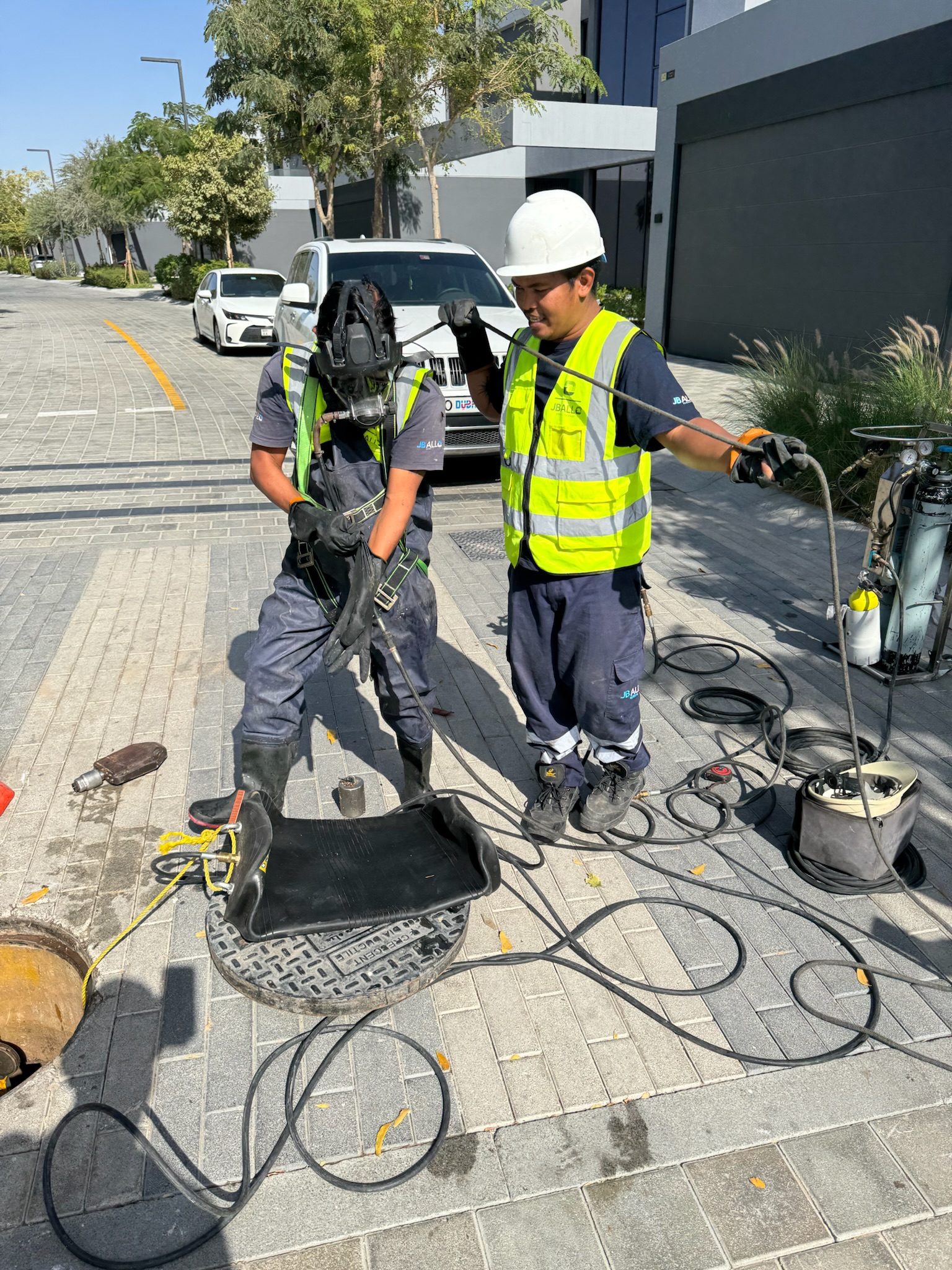
Tough pipe blockages need more than a quick fix. At JB Allo Sewage, we use high-pressure jetting to break through grease, sludge, sediment, debris, and other stubborn buildup inside drainage and sewer lines. Our jetting equipment and specialized nozzles help direct water where it is needed, while our combination units can support cleaning and waste extraction when required. With 25+ years of experience and 3,500+ completed projects, we handle drainage requirements across residential, commercial, and industrial properties. Our wider services also include CCTV drain surveying, sewage lift station pumping, and pipe plug solutions, with support available for urgent drainage requirements.
FAQs
1. How does a water pressure sewer cleaner remove tough blockages?
It uses powerful water jets to break apart grease, sludge, roots, sediment, and stubborn deposits.
2. Can high-pressure water jetting remove grease from sewer pipes?
Yes, concentrated water jets can loosen hardened grease and wash accumulated deposits from pipe walls.
3. Is high-pressure jetting suitable for older drainage pipes?
Yes, technicians can adjust pressure and equipment according to the pipe’s material, condition, and diameter.
4. How often should sewer pipes receive high-pressure cleaning?
Cleaning frequency depends on pipe usage, blockage history, buildup levels, and the overall drainage system condition.
5. Can high-pressure jetting prevent recurring pipe blockages?
Yes, regular jetting removes buildup before it becomes severe enough to restrict normal wastewater flow.